
 Jake Popist
Variance is the swing between what your cards should theoretically deliver and what actually lands on the table. It is the reason a solid session can still end red and a rough patch can suddenly flip. Understanding that gap sto ps players from misreading normal noise as a broken strategy. When you treat swings as part of the game rather than a personal failure, bankroll decisions get calmer and table choices get sharper. You start reading results the way a sponsorship executive reads a media buy over a full season, not one noisy afternoon.
Why swings feel personal when they are just maths
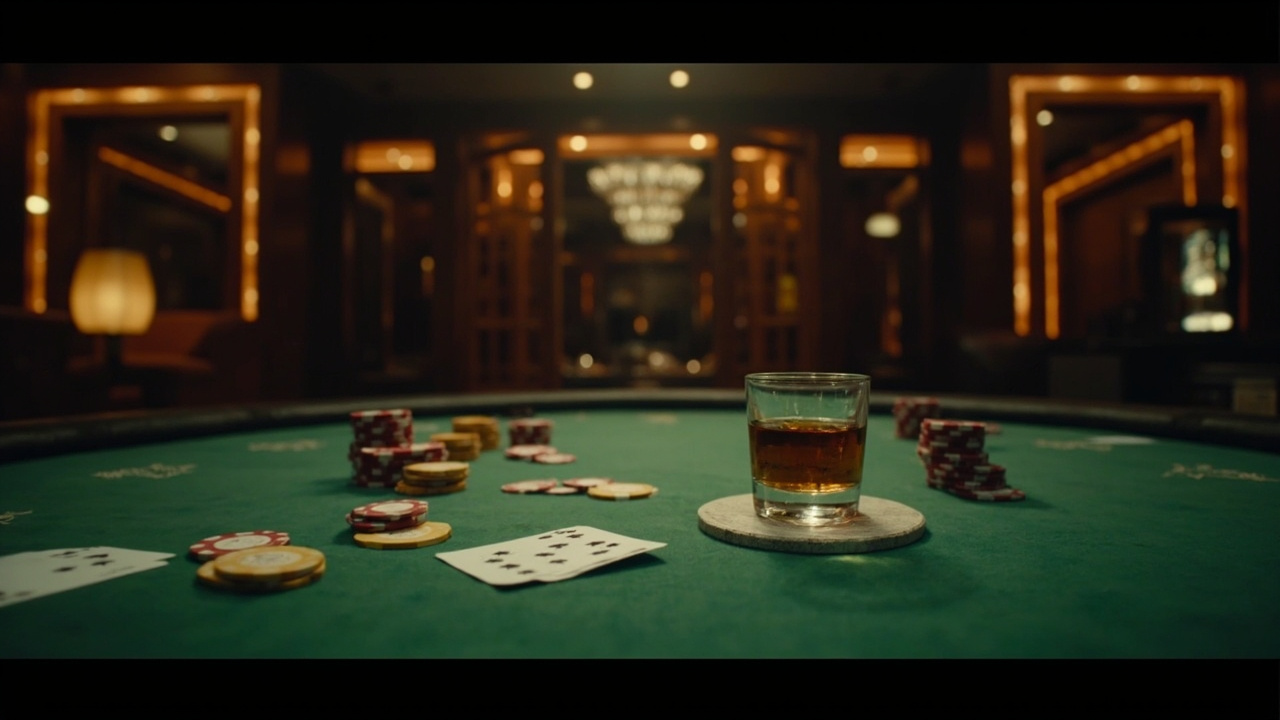
Poker variance explained simply comes down to sample size and the gap between expectation and reality. A hand you should win sixty per cent of the time can still miss five times in a row, and that cluster is normal, not a sign you have lost your touch. The frustration usually comes from judging a small run as if it were a long-term verdict. In practice, the same maths that makes a Geelong footy crowd hold its breath through a tight final quarter also makes a poker session wobble before it settles. You can play the right lines and still endure a rough arvo, because short sessions are noisy by design.
That is where bankroll discipline matters more than any single read. Treat your stack like a media budget that has to survive a full campaign, not one lucky break. If you size your buy-ins so a normal downswing does not force you off the felt, you give your actual skill a chance to show up over time. Sophie Edwards, Responsible Gambling Adviser, Pacific Wager Analytics, frames it plainly: “Players who confuse a short bad run with a personal failure tend to chase, and chasing is where the real damage starts.” The fix is less about predicting every card and more about surviving the ordinary swings long enough for your edge to compound.
What a calm bankroll looks like in practice
A practical bankroll is built around endurance, not excitement. The idea is to keep your buy-ins small enough that a normal variance swing does not wipe out your ability to keep playing, and to set a clear stop point before a session turns emotional. That means deciding your limit before you sit down, tracking results over many sessions rather than one afternoon, and stepping away when the numbers stop making sense. It also means understanding that a healthy bankroll is not a guarantee of profit; it is simply the cushion that lets variance do its work without forcing bad decisions.
For players comparing where to play, the ongoing value of a room matters more than the welcome headline. Recurring promos, cashback on bad runs, a loyalty tier that rewards repeat play, and regular tournaments all change how variance feels day to day. A room that keeps giving you reasons to return after the first deposit is a better fit for long-term poker than one that leans heavily on a single sign-up gesture. You can see the shape of that ongoing setup on the brand’s own page at https://need-for-spincasino.com, where the recurring promos, cashback terms, and loyalty structure are laid out separately from the welcome offer. The point is not to find a room that removes swings, because no room can do that, but to find one that keeps the door open when your results are ordinary.
How ongoing promos, cashback and loyalty change the feel
Ongoing incentives do not erase variance, but they do change how often you sit down and how much pressure each session carries. Cashback can soften a rough patch enough to keep you playing your normal game instead of tightening up out of frustration. Loyalty rewards and tournament schedules give you more reasons to return beyond the first deposit, which matters because poker is a long game and the best learning happens across many sessions, not one. The trade-off is that every promo comes with terms, and those terms can shape how useful the offer really is once you read the fine print.
That is why a clear read of the recurring structure matters more than the size of the welcome bonus alone. A room that keeps delivering weekday reloads, a sensible cashback window, and a loyalty ladder that actually progresses gives you more room to absorb variance without feeling forced to overplay. It is a bit like judging a sponsorship deal by the full activation calendar rather than the launch night. The launch looks bright, but the real value is whether there is a second event, a third touchpoint, and a reason for the audience to stick around. In poker, that ongoing rhythm is what keeps variance manageable instead of personal.
Reading the table without losing your head
Good players do not try to outguess variance; they simply stop arguing with it. That means making the right decision and accepting the result, even when the right decision loses this time. It also means knowing when a session is just noisy and when it is genuinely time to step away. The difference is usually visible in your own behaviour before it shows up in the chips. If you are second-guessing standard lines, tightening up out of frustration, or chasing a result that has 88-fortunes-slot-au.com already gone, the session has moved from maths to emotion.
A measured table approach keeps that line clear. Pick stakes that fit your bankroll, play formats you understand, and review your hands later when the heat has dropped. It helps to think of a long poker night the way you would think of a long drive from Melbourne out toward Geelong in heavy traffic: the route is fine, the timing is slow, and forcing it only makes it worse. The same discipline shows up in partnerships work, where a single event rarely tells you whether a deal is working and the real judgement comes from the full run of data. Variance is the same kind of long read, and the players who respect that are the ones who stay in the game.
| Feature | What it means for variance |
|---|---|
| Bankroll sizing | Keeps normal swings from ending your session |
| Cashback | Softens bad runs without changing the maths |
| Loyalty tiers | Rewards repeat play across many sessions |
| Tournament schedule | Gives more reasons to return after ordinary results |
| Stop limits | Protects judgement before emotion takes over |
Variance is just the gap between what your play should earn over time and what a small sample actually shows. Treat it like weather, not a verdict, and you will make better decisions at the table. The rooms worth returning to are the ones that keep offering reasons to play after the welcome offer, because poker is a long game and the real test is whether you can stay disciplined through the ordinary swings. Play within your limits, keep your bankroll built for endurance, and let the numbers speak over a proper sample rather than one noisy afternoon.

 Jake Popist